Twelve Hours, One Doctor—And What a Neck Massage Taught Me About Our ERs
It started with a moment of carelessness.
I was using my shoulder massager—four rod-like arms that mimic a human kneading motion. I tried to lift it up to my scalp, but it slipped. The lower two rods jammed into the base of my neck, just above my shoulders. The upper two caught right behind my ears, at the very top of my neck.
And it kept moving.
In that instant, my head was pulled slightly apart from my shoulders—and everything went off balance. My vision blurred. The room began to float. A faint ringing filled my ears. I dry-heaved, my eyes tightening like they couldn’t focus on anything solid. No pain—just sudden, deep disorientation. I shut it off and went to bed, hoping it was nothing.
But the next day, the dizziness didn’t lift. By afternoon, I couldn’t eat. My vision stayed hazy, like looking through a thin fog. After a radio interview (I told myself it was nerves), the nausea only grew.
Then I remembered: I’d read about cases where neck pressure—especially near the base of the skull—could affect blood vessels or even cause internal bleeding. Some people ended up with aortic tears. Some didn’t make it.
That’s when I knew I had to go to the ER. (Special thanks to the hubby who got home late and took me to the ER right away.)
We arrived that evening. Then came the wait.
Nurses were busy and eventually they called my name. They drew five vials of blood to do various tests.
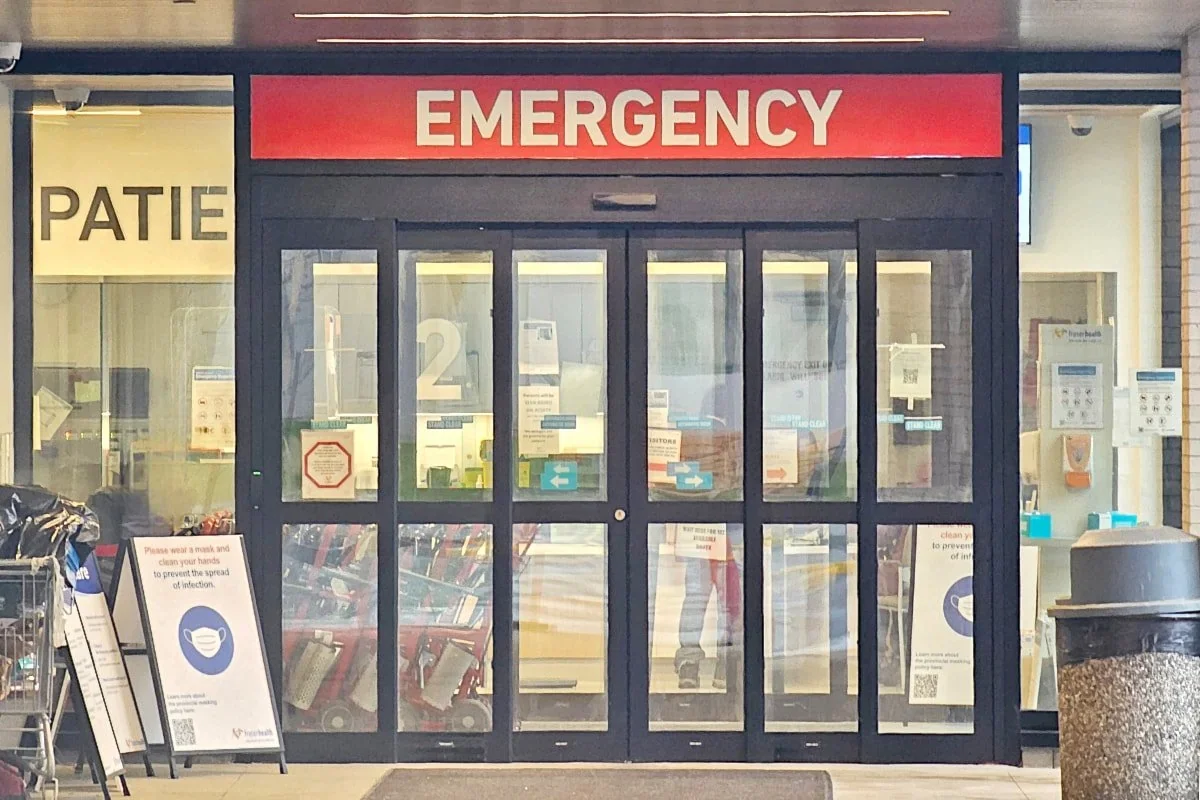
For ten hours, we sat in the hallway. There was only one doctor on duty for the entire emergency department. I watched him—calm, kind, never rushing—move from room to room, treating all kinds of problems and all kinds of patients. Everyone there was genuinely unwell. No one was “just checking.”
Given the sudden onset and neck involvement, the doctor was cautious and thorough, so he ordered a CT scan to rule out internal bleeding or vascular injury. Good news: nothing life-threatening. No internal bleeding. The doctor smiled: “You’re fine. It looks like the massage disturbed your inner ear fluid—your vestibular system. That’s what controls balance. It’ll settle with rest.”
Relief flooded in. But so did something else: clarity.
That night made the ER medical staff shortage real. I didn’t just hear about staff shortages; I saw them. One doctor. One night. Dozens of patients.
I want to do something about this—and I’d like to raise awareness, too.
Maybe you’ve had a long wait in an ER. Or heard a friend’s story. Or worried while watching a loved one in pain, hoping a bed would open. The truth is: any of us could need emergency care tomorrow. Supporting our hospitals isn’t just about helping “them”—it’s about protecting a system that, one day, might hold us.
When I got home, I looked up what ERs actually need most. It’s not just more doctors and nurses (though that’s urgent). It’s more beds. More scanners. More stretchers. More space to keep people safe while they wait. Without those, even the most skilled team can’t move faster.
So if you can, please consider making a small donation to your local emergency department. It doesn’t need to be much. Pooled together, these gifts can fund the equipment and space that keep the system from breaking.
If you’re in the Lower Mainland and would like to help, here are direct donation links to local ER support funds:
Langley Memorial Hospital ER → Fraser Health Foundation – Langley ER
Surrey Memorial Hospital ER → Fraser Health Foundation – Surrey ER
Vancouver General Hospital ER → VGH & UBC Hospital Foundation
UBC Hospital Emergency Department → VGH & UBC Hospital Foundation
(On these sites, you can select “Emergency Department” or “Critical Care” as your area of support.)
And if you’re reading this from elsewhere in Canada or around the world—please consider donating to your local hospital’s emergency department. Every community relies on this lifeline. Even a small gift can help fund vital equipment, extra staffing support, or faster care for someone in crisis.
Because no one should lie in a hallway for twelve hours, wondering if a moment of relaxation might’ve cost them their life.
And no doctor should have to be the only one holding the line.
I want to add a personal thank-you to Dr. Richard Hsu, who saw me that morning. He was thoughtful, thorough, and incredibly patient. In a system stretched so thin, his calm presence didn’t just diagnose—he eased a deep fear. Thank you, Dr. Hsu, for your care. (While doing my research about the needs of ERs, and I came across a letter Dr. Hsu wrote in 2019 about urgent needs. Please have a read here.)